
Research
Arboviruses are a serious and growing global public health threat. Our group applies transdisciplinary and interdisciplinary approaches that combine virology, genomics, immunology, and epidemiology to understand, prevent, and mitigate arboviral diseases. We focus on three main areas:
Virus-host interactions
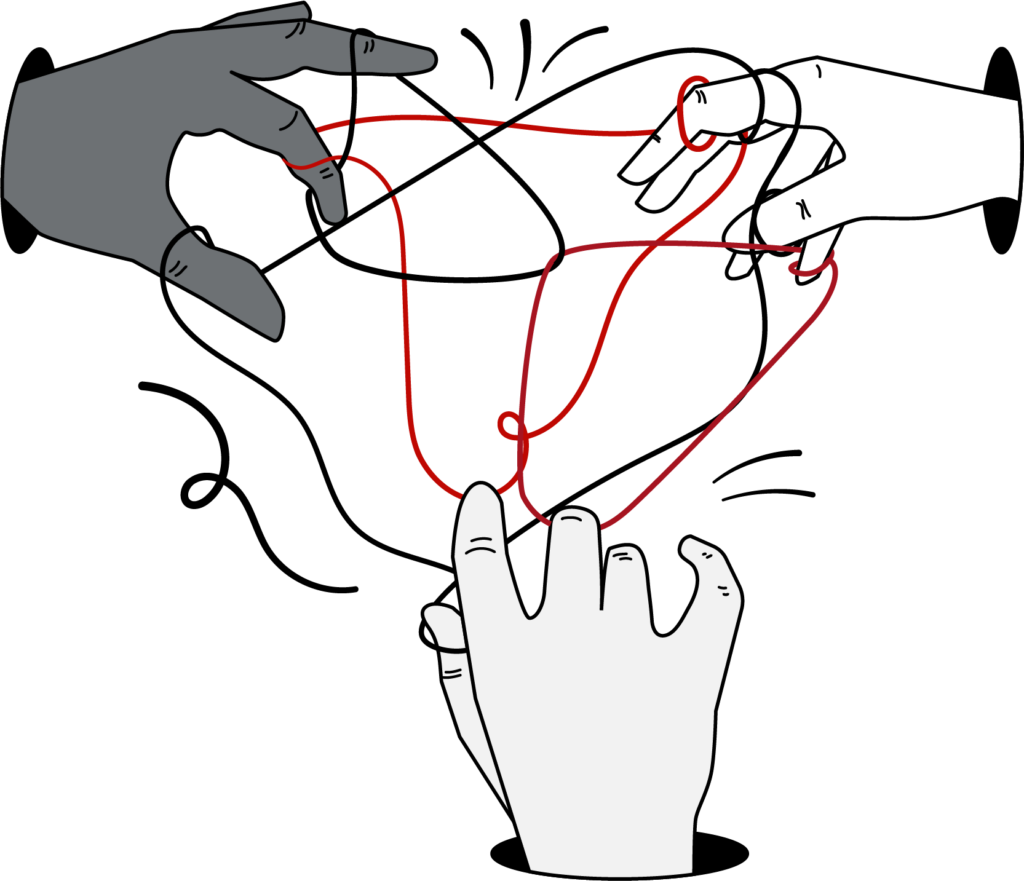
We use experimental virology to investigate complex virus-host interactions, specifically those that contribute to severe outcomes such as central nervous system infections or fatal outcomes. Our goal is to gain knowledge to contribute to the development of better diagnostics, countermeasures, and therapeutic approaches
Viral transmission dynamics
We apply a range of analytical methods, including epidemiology, ecology, and genomics, to understand how factors such as climate, anthropogenic changes, human-wildlife interactions, and social inequalities influence the emergence and spread of arboviruses. By identifying the key ecological determinants of transmission, this helps us contribute to the development of targeted interventions to interrupt viral transmission

Viral discovery & characterization

We use serological, molecular, and genomic methods to identify and characterize novel emerging or reemerging viruses that may affect humans. We also study the frequency, distribution, and evolutionary history of these viruses to support preparedness and response for viral outbreaks and epidemics
Want to collaborate on a future-forward project?
